

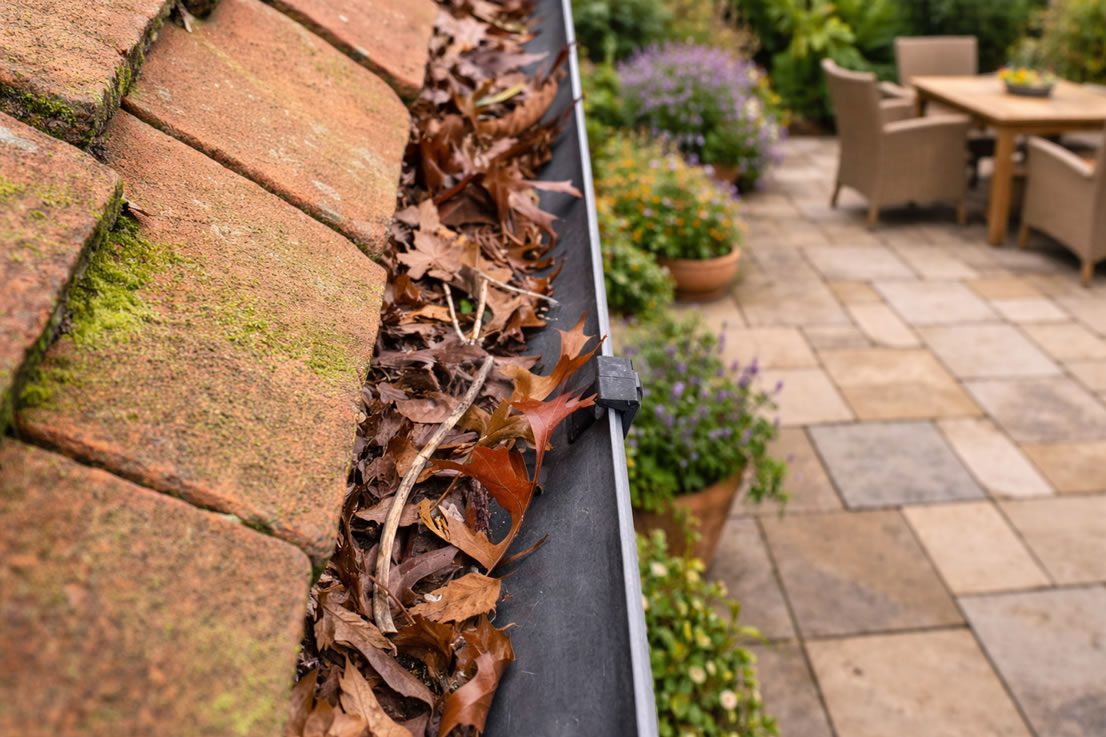
If you’ve ever watched your gutters overflow like a waterfall in heavy rain, you’ve probably wondered whether gutter leaf guards (also called gutter guards, gutter mesh, or gutter hedgehogs) are worth installing.
They’re everywhere now — you’ll find multiple types sold at mainstream DIY retailers (mesh rolls, brush inserts, clip-on guards), which tells you they’ve become a pretty normal “DIY maintenance” purchase in the UK.
But do they work? Yes… with the right expectations.
A good guard can reduce chunky blockages (leaves, twigs, moss clumps), lower the frequency of cleaning, and help stop overflow staining. What they can’t do is make your gutters “maintenance-free” forever — fine debris still builds up, and some guard types can create new issues if they’re badly chosen for your roof and tree cover.
How popular are gutter leaf guards in the UK?
You won’t find a perfect official “UK adoption percentage”, but you can see strong signs they’re widely used and increasingly normal:
- Major DIY retailers stock a wide range of guards and describe them as a standard maintenance product (mesh, “hedgehog” brushes, clip-on systems).
- UK home-improvement media regularly recommends gutter mesh/guards as a cheap preventative measure in wetter seasons, which usually only happens when a product is already mainstream.
- The UK market also has well-known branded brush products marketed as long-lasting “leaf guards”, again pointing to a mature category rather than a niche one.
So: they’re not “everyone has them”, but they’re no longer unusual — especially in leafier areas and on homes where gutter access is awkward or expensive. It always pays to compare cost and price before deciding on if it’s the right option for your house.
Do gutter leaf guards work?
The honest answer
They work best at stopping large debris and reducing how often gutters need clearing. They do not guarantee you’ll never need to clean gutters again.
A good way to think about it:
- Without guards: gutters can block quickly with leaves + moss, then overflow.
- With guards: you usually get slower build-up, but you still get fine silt, seed pods, shingle grit (if applicable), and small fragments that wash through or settle.
Some expert commentary even points out that brushes/guards can be “better than silly hacks”, but still not a magic fix — they may need periodic removal and cleaning.
The main types used in the UK (and what each is good at)
1) Mesh gutter guards (clip-on or roll mesh)
Best for: general leaf protection in most UK suburbs
Pros:
- Stops leaves and moss clumps entering the gutter
- Cheap, widely available, easy DIY fit
Cons: - Fine debris can still settle inside the gutter
- If the mesh is too fine or sags, it can slow water entry in very heavy rain
Mesh guards are commonly sold as a low-cost way to reduce leaf/moss debris.
2) Gutter brush / “hedgehog” style inserts
Best for: lots of leaves, trees overhead, easy removal for cleaning
Pros:
- Very good at stopping chunky leaf build-up
- Can be pulled out and rinsed/cleaned
Cons: - Fine debris can build up within the bristles over time
- Needs occasional lifting/cleaning (but that’s usually easier than scooping gutters)
These are widely marketed as long-lasting and easy to fit.
3) Foam inserts
Best for: niche scenarios, short gutter runs, careful users
Pros:
- Quick to install
Cons: - Can trap fine debris and become a “filter sponge”
- Often needs more frequent attention than people expect
(If you’re buying foam, assume maintenance will still be a thing.)
4) Solid covers / “helmet” style systems
Less common as DIY, more common via specialist installers. Can work well, but performance depends heavily on roof pitch, rainfall intensity, and the exact product design.
When gutter guards are most worth it in the UK
They’re most useful when any of these are true:
- Trees nearby (especially autumn leaf fall)
- You’ve had repeat blockages and overflow staining
- Access is difficult/expensive (three storeys, conservatory below, tight side access)
- You want to reduce cleaning frequency, not eliminate it entirely
That “reduce the risk of overflow and staining” angle is exactly why guards are often recommended as a maintenance measure.
When gutter guards can disappoint
If you expect “never clean gutters again”
Even pro/industry commentary is pretty consistent: guards reduce maintenance but don’t remove it completely.
If your gutters already have a fall/drainage problem
If the gutter fall is wrong, downpipes partially blocked, or outlets undersized, guards won’t fix that. You’ll still get overflow.
If moss is heavy on the roof
If the roof sheds moss granules constantly, guards can help — but you may still need periodic clearing because fine debris will accumulate.
A practical “do they work for me?” checklist
Before you buy anything, answer these:
- Do I have trees above/near the roofline?
- Do my gutters block mostly with leaves/twigs, or mostly with fine sludge?
- Is access easy enough to clean annually, or is it a pain/expensive?
- Do I want less frequent cleaning (realistic), or no cleaning (unrealistic)?
- Would it be smarter to fix the underlying issue first (wrong fall, poor outlet, blocked downpipe)?
Quick FAQs
Are gutter leaf guards common in the UK?
They’re widely sold by major DIY retailers and frequently recommended in UK home maintenance content, which suggests they’ve become a mainstream option rather than a niche product.
Do gutter guards eliminate the need to clean gutters?
Usually no. They reduce blockages and cleaning frequency, but fine debris can still build up over time.
Which type works best in heavy leaf-fall areas?
Brush (“hedgehog”) or decent mesh guards tend to work well for chunky leaf debris, as long as you accept you’ll still need occasional maintenance.

